



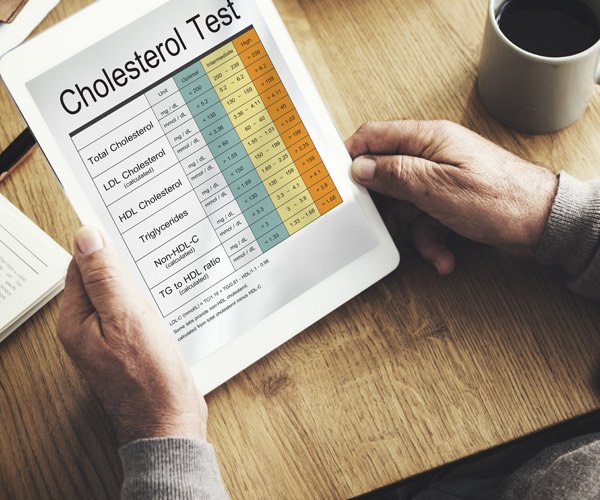

Cholesterol Blood Tests: Information and What to Expect

High cholesterol usually has no symptoms. Many people only become aware of their levels after a routine check. Regular monitoring can help identify risks linked to heart disease and stroke, especially for adults with medical conditions or a family history of heart problems.

This page explains what a cholesterol blood test involves, what it measures, and when you may need further support.

Important Checks

Cholesterol Testing: The Basics

What it is

A cholesterol blood test (lipid profile) measures different types of fats in the blood. It usually includes:

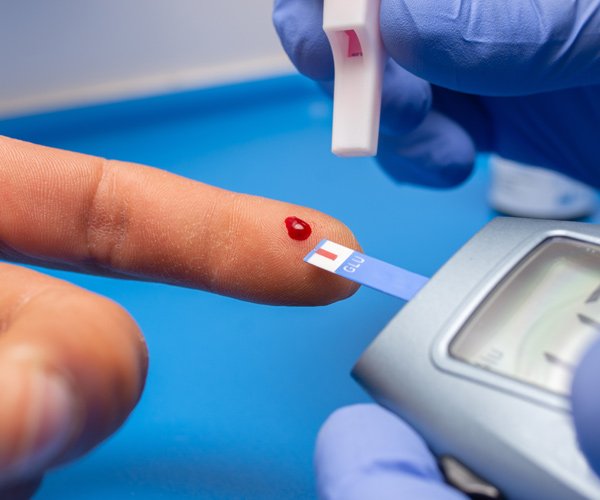
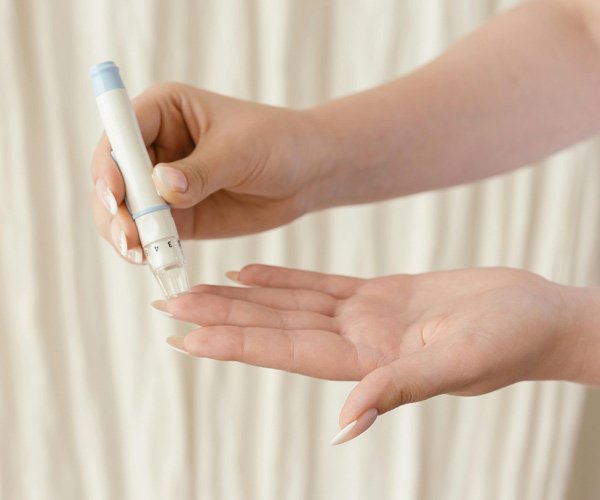
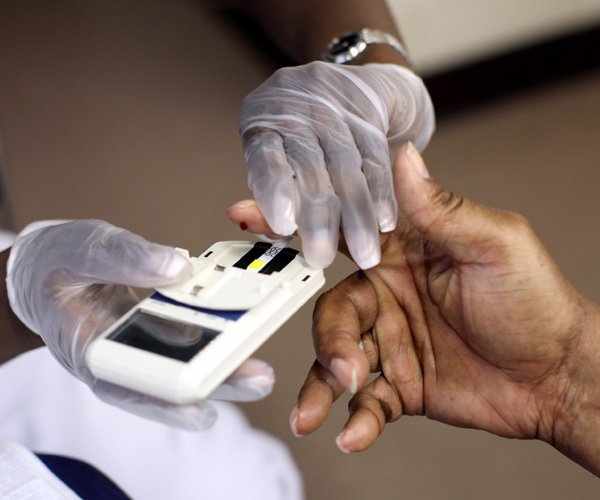
The test is often done with a small finger-prick sample. A trained professional collects the sample and explains the results in line with NHS guidance.

How it is carried out

The test is conducted in a private consultation room. Results are usually available shortly after the sample is taken.

What people often notice

Who Might Be Considered for Testing

Adults aged 40 and over

People attending an NHS Health Check

Individuals with a family history of high cholesterol

Adults managing conditions such as diabetes or high blood pressure

Those who already use a home test and want a professional review

Anyone who wants to monitor cholesterol as part of general health checks

A clinician will explain the results, discuss lifestyle measures if appropriate, and advise if GP follow-up is needed.

What the Test Includes

In-pharmacy cholesterol test
  • Finger-prick blood sample

  • Measurement of total cholesterol, HDL, LDL, and triglycerides

  • Explanation of results and what they mean

  • General advice on diet and lifestyle, where appropriate

Home monitoring support
  • Guidance on choosing a home cholesterol monitor

  • Help understand how to use home testing devices

  • Support with tracking results over time

Side Effects and When to Seek Help

Common experiences

Most people experience only mild, brief discomfort from the finger-prick. Bruising is uncommon but may occur.

When to seek help

Speak to a GP or call NHS 111 if:

Storage, Safety, and Home Testing

What Happens at Your Visit

Arrival

You can walk in or attend at a booked time, depending on branch availability.
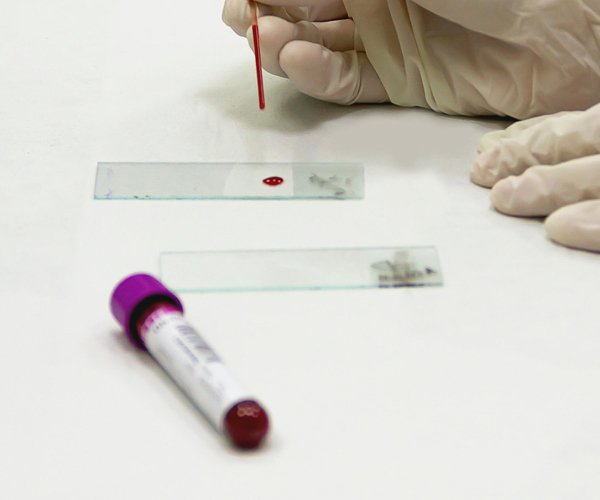
During the appointment

A small blood sample is taken and processed. The clinician explains the results and answers questions.

After your visit

If the readings suggest further investigation, you may be advised to contact your GP. Information can be documented for ongoing care with your consent.

Everyday Steps to Support Heart Health

Include balanced meals with vegetables, fibre, and lean proteins

Maintain regular physical activity.

Limit foods high in saturated fa.t

Avoid smoking and follow NHS guidance on alcohol intake

Ask a clinician if you need help understanding your cholesterol targets.

This page is for information only

It explains how cholesterol testing is carried out and what to expect. It is not a replacement for a consultation. Speak with a trained clinician if you want to discuss your results, eligibility, or next steps.